AI Agenda: Hardware, Lawsuit, and Investments
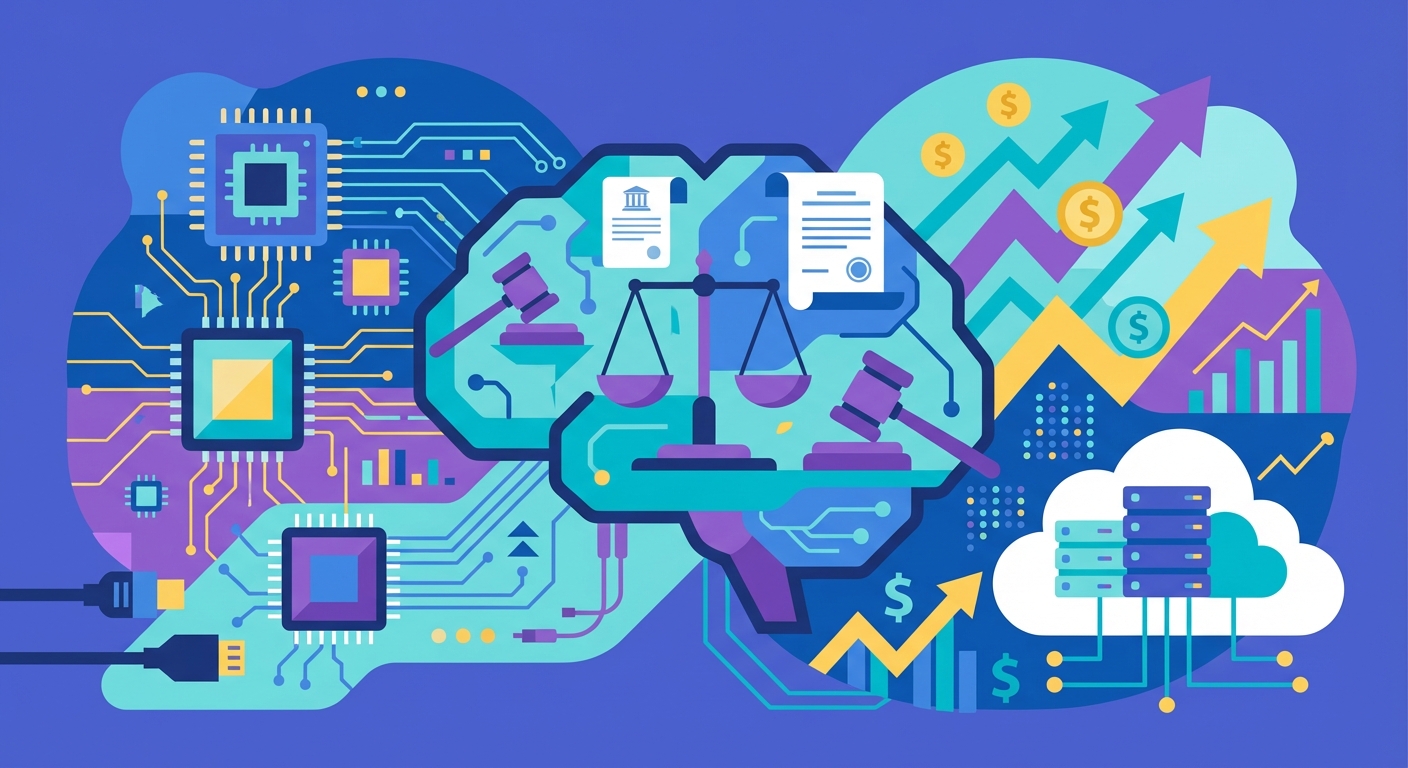
The Legal Process Between OpenAI and Elon Musk
Elon Musk is seeking compensation of up to $134 billion from OpenAI and Microsoft on the grounds that they deviated from the non-profit mission. OpenAI, for its part, opposes this demand, arguing that Musk’s claims contain incomplete information.
Hardware-Focused Developments
AI companies are preparing to take concrete steps on the hardware side as well, going beyond software:
- OpenAI: The company is preparing to introduce its first AI hardware in the second half of 2026.
- Apple: Work is underway on a new screenless wearable device focused entirely on AI. In addition, with iOS 27, Siri is expected to turn into a chatbot with code writing and file analysis capabilities.
- Tesla: The humanoid robot Optimus is targeted for release next year.
Model and Product Integrations
Existing platforms and new models continue to expand AI capabilities:
- Google: The ‘Answer Now’ feature was added to the Gemini app, and AI Mode was updated to provide access to Gmail and Photos data.
- Adobe Acrobat: With AI support, PDF documents can be turned into podcasts and presentations.
- Z AI & Liquid AI: The 30 billion-parameter GLM-4.7-Flash and the LFM2.5-1.2B-Thinking models, which can run on smartphones, were released.
- YouTube: The production of Shorts with AI-powered digital twins for content creators is being tested.
Investment Ecosystem
Financial activity in the sector continues with large rounds in the infrastructure and application layer:
- Humans&: The startup founded by former Anthropic and xAI employees received $480 million in seed investment.
- Baseten: The AI inference platform reached a $5 billion valuation with a $300 million investment.
- LiveKit: The startup providing infrastructure for OpenAI and xAI received a $100 million investment and rose to unicorn status.
- OpenEvidence: It raised $250 million, increasing its valuation to $12 billion.
Davos and Future Projections
At the World Economic Forum, Anthropic and DeepMind executives took part in discussions on chip export policies and the future of software engineering. It is projected that coding processes will be largely automated, but that new skill areas will open up.