Google introduced the on-device task automation feature for Gemini
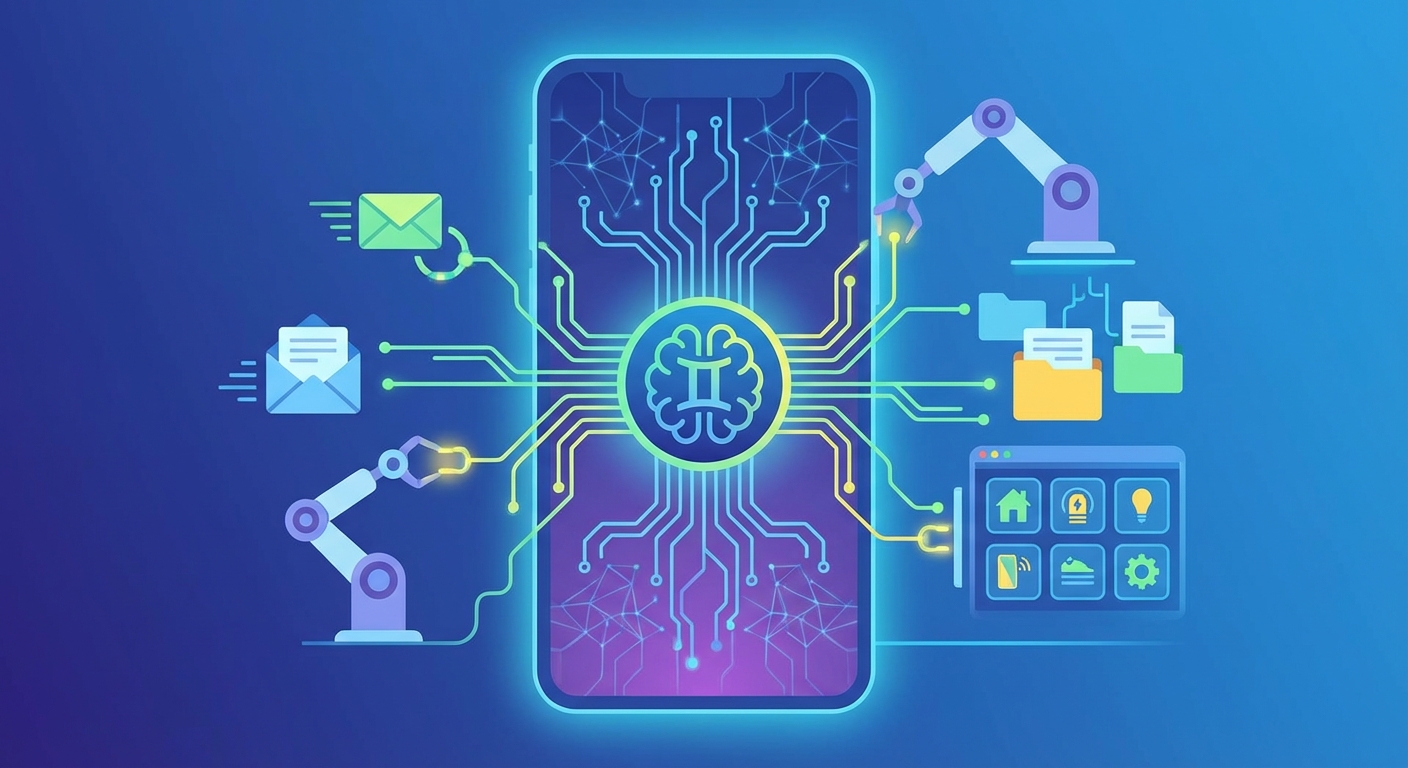
Gemini Is Becoming an Autonomous Agent
Google announced the new “task automation” feature that turns its AI assistant Gemini from a standard chat interface into a task-focused autonomous agent. This infrastructure, made available on Pixel 10 and Samsung Galaxy S26 series devices, allows Gemini to independently complete multi-step actions across third-party apps such as Uber or DoorDash.
When given a command, the new system opens the relevant app in an isolated virtual window and carries out actions such as entering an address, calling a ride, or selecting a product on its own. While the process can be monitored by the user in real time, final approval for critical steps requiring a financial commitment, such as payment, is always left to the user.
On-Device AI and Privacy-Focused Architecture
The most notable detail on the technical side of the system is that processes are carried out directly on the device without being transferred to cloud servers. Thanks to the advanced neural processing units (NPU) in Pixel 10 and Galaxy S26 models, autonomous automation processes run locally at the hardware level.
The main advantages this architectural approach provides to technical processes are:
- Minimizing network latency by eliminating cloud communication.
- An isolated, highly secure processing environment since personal data does not leave the device.
- Limiting interaction with third-party apps through a virtual windowing method.
For now, the system is offered in beta in the US and South Korea with limited app integration; it is supported by device-based fraud detection and visual search capabilities that can analyze multiple items at once. With this move, Google is positioning AI models not only as tools that generate text or code, but as infrastructures that can directly carry out in-app actions.